Self-isolation and treating coronavirus symptoms
Here are key steps for self-isolating and treating mild coronavirus symptoms, which could be useful for Bristol Somali Forum to share with the community:
Self-Isolation Guidelines
1. Stay Home: If you have symptoms of COVID-19, stay at home for at least 5 days (or longer if symptoms persist) and avoid contact with others as much as possible.
2. Separate Yourself: Use a separate room and bathroom if possible, and avoid shared spaces with others in the household.
3. Ventilate Your Space: Keep rooms well-ventilated by opening windows to help reduce the risk of virus spread.
4. Hygiene and Cleaning: Wash hands frequently with soap and water, and clean commonly touched surfaces like door handles, countertops, and electronic devices regularly.
5. Inform Close Contacts: Let people you’ve been in close contact with recently know about your symptoms, as they may need to monitor their own health.
Treating Mild COVID-19 Symptoms at Home
1. Rest and Hydration: Rest as much as possible and stay hydrated by drinking water, herbal tea, and clear soups.
2. Pain Relief: Over-the-counter medications like paracetamol or ibuprofen can help manage fever, headaches, and body aches.
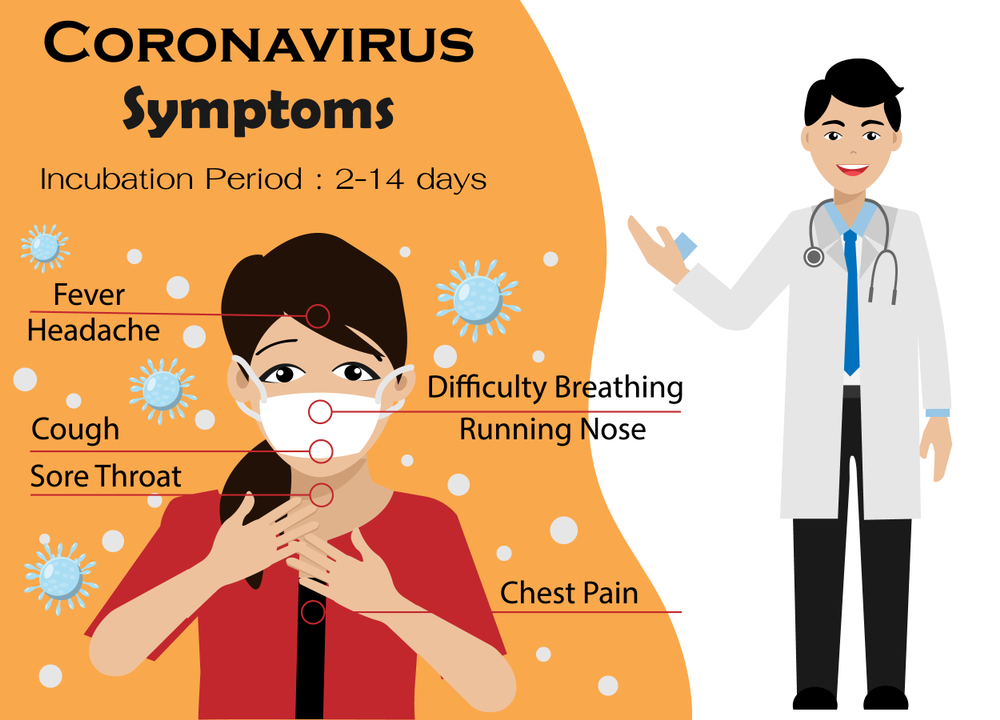
3. Stay Monitored: Track your symptoms. If you experience worsening symptoms (like difficulty breathing or persistent chest pain), seek medical advice immediately by contacting NHS 111 or, in emergencies, call 999.
4. Avoid Unnecessary Movement: If possible, avoid physical exertion during recovery to allow your body to focus on healing.
When to Seek Medical Help
– Seek immediate medical help if you experience severe symptoms, such as difficulty breathing, chest pain, confusion, or bluish lips or face.
– If you’re unsure whether your symptoms need further assessment, you can use the NHS 111 online service or call NHS 111 for guidance.
Supporting Mental Health During Isolation
Isolation can take a toll on mental well-being. Encourage community members to:
– Stay connected with loved ones via calls or video chats.
– Engage in relaxing activities like reading, listening to music, or light exercise.
– Access mental health resources if needed, such as calling Samaritans at 116 123.